
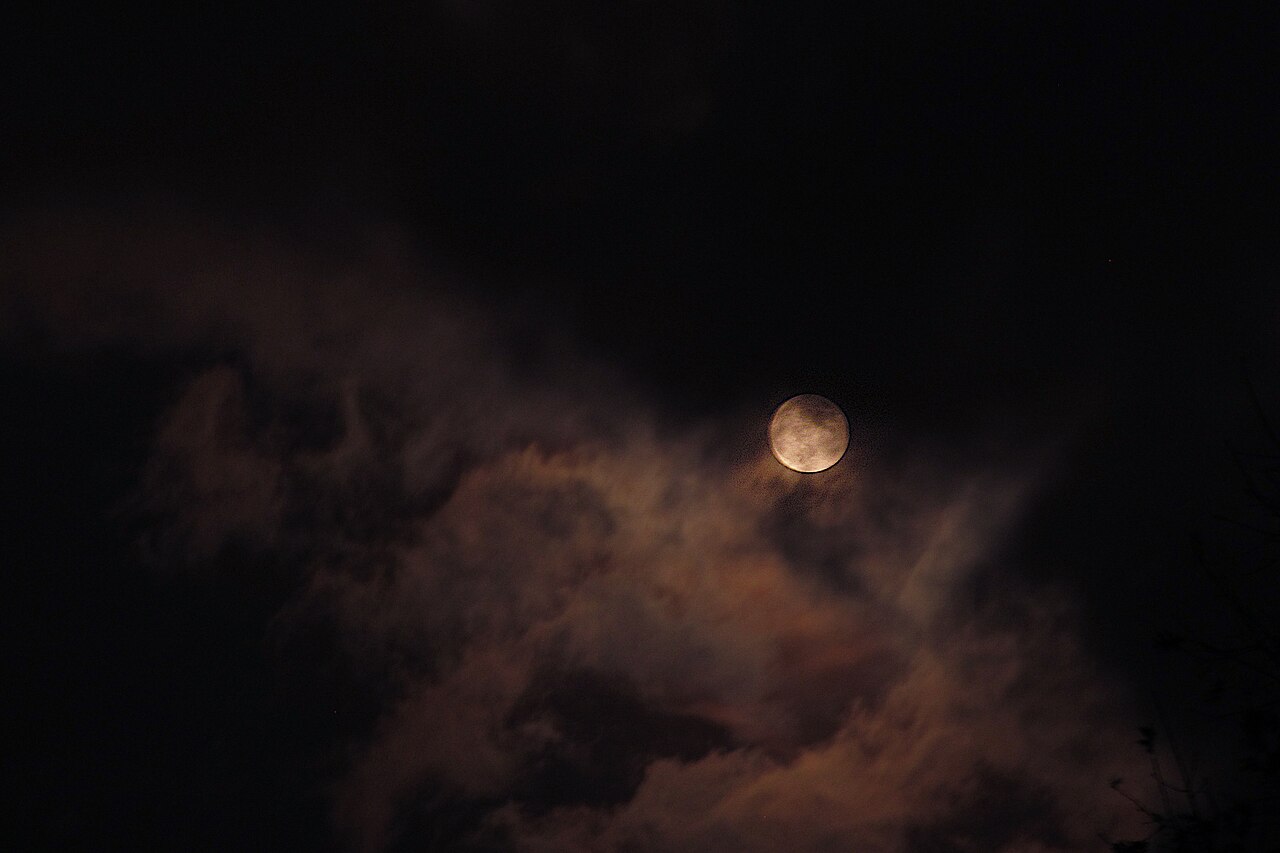
The sky has always been a source of wonder, and among its most spectacular displays are the auroras, the shimmering curtains of light that grace the polar skies, along with a range of other striking atmospheric and celestial phenomena. Throughout history, these sights have inspired awe and, at times, fear, and they have sometimes been interpreted as omens or as evidence of mysterious forces. Today, science understands these phenomena in remarkable detail, revealing the elegant physics behind displays that are no less beautiful for being explained.
Understanding what auroras and other sky phenomena actually are helps separate genuine natural wonders from mysterious misinterpretation, because many striking sights in the sky have well-established scientific explanations, even when they are unfamiliar. In this article we examine these phenomena from an evidence-based perspective: what causes auroras, what other atmospheric and celestial sights people commonly observe, why some of them are mistaken for something unexplained, and why understanding the real science behind them deepens rather than diminishes our appreciation of the extraordinary spectacle of the sky.
What causes auroras
Auroras are produced by the interaction between energetic particles from the Sun and the Earth’s atmosphere and magnetic field. Streams of charged particles emitted by the Sun travel across space and, on reaching the Earth, are guided by the planet’s magnetic field toward the polar regions. There, they collide with gases in the upper atmosphere, causing those gases to emit light. The result is the glowing, shifting displays that appear predominantly in the skies near the poles.
The colours of an aurora depend on which atmospheric gases are involved and at what altitudes the interactions occur. Different gases emit light of different colours when energised, producing the characteristic greens, reds and other hues seen in auroral displays. The shifting, curtain-like patterns arise from the structure of the magnetic field and the movement of the charged particles, creating the dynamic and ever-changing spectacle for which auroras are famous.
This understanding is the product of extensive scientific study of the Sun, the Earth’s magnetic field and the upper atmosphere. Far from diminishing the beauty of auroras, this knowledge reveals the elegant physics that underlies them, connecting these displays to the broader relationship between the Sun and the Earth. Auroras are a striking reminder that some of nature’s most beautiful phenomena arise from well-understood processes operating on a grand scale.
Other atmospheric optical phenomena
Beyond auroras, the atmosphere produces a range of striking optical phenomena that can puzzle observers unfamiliar with them. Effects such as halos around the Sun or Moon, bright spots in the sky, and various forms of shimmering or coloured light arise from the interaction of sunlight or moonlight with ice crystals, water droplets or layers of air. These phenomena are well understood scientifically and can be predicted under the right conditions.
Many of these optical effects result from the bending, reflection or scattering of light as it passes through the atmosphere. Ice crystals in high clouds, for example, can refract light to produce halos and related displays, while other conditions give rise to different effects. Though they may appear unusual or even startling, these phenomena follow from well-established principles of optics and atmospheric science, and they can be reproduced and explained.
Understanding these optical phenomena helps explain why the sky sometimes presents sights that seem mysterious at first glance. What can look like an inexplicable light or an unusual formation is often a well-understood optical effect, produced by ordinary atmospheric conditions. Recognising this transforms these sights from puzzling anomalies into fascinating examples of the physics of light and atmosphere, accessible to anyone who learns what causes them.
Celestial sights and their explanations
The night sky also offers many phenomena that can be misinterpreted by those unfamiliar with them. Bright planets, unusually vivid stars, meteors streaking across the sky, and satellites reflecting sunlight can all produce sights that seem strange or unexpected. Each of these has a well-understood explanation, and learning to recognise them accounts for a great many puzzling observations of the night sky.
Meteors, for instance, are produced when small pieces of debris enter the atmosphere and burn up, creating brief streaks of light. Satellites can appear as points of light moving steadily across the sky, and groups of them can be especially striking. Bright planets low on the horizon may appear unusually large or seem to move, particularly when viewed through turbulent air. Knowing these explanations demystifies observations that might otherwise seem inexplicable.
The value of understanding these celestial sights lies in the ability to appreciate the night sky more fully and to avoid misinterpretation. Familiarity with the ordinary contents of the sky, planets, stars, meteors and satellites, allows an observer to recognise most phenomena for what they are. This knowledge enhances the enjoyment of stargazing and provides a grounded framework for interpreting the many sights the sky has to offer.
| Aspect | Common belief | Reality |
|---|---|---|
| Auroras | Omens or mysterious forces | Sun’s particles interacting with the atmosphere |
| Halos and bright spots | Unexplained signs | Light bending through ice crystals and air |
| Strange lights at night | Anomalies | Often planets, meteors or satellites |
| ‘Unexplained’ sky sights | Genuine mysteries | Usually reflect the observer’s unfamiliarity |
| Scientific explanation | Removes the wonder | Adds depth to the beauty of the phenomena |
Why sky phenomena are mistaken for mysteries
Many sky phenomena are mistaken for something mysterious simply because they are unfamiliar. An observer who has never seen a particular optical effect, or who is unaware of the ordinary contents of the night sky, may struggle to explain what they are seeing and may conclude that it is unexplained. This is a natural response, but it reflects a gap in familiarity rather than a genuine mystery in the phenomenon itself.
Perception and expectation also play a role. In conditions of poor visibility, or when an observer is primed to expect something unusual, ordinary phenomena can be misperceived or interpreted in dramatic terms. A bright light, an unusual formation or a sudden movement can seem far more mysterious than it is, especially when the observer lacks a framework for understanding it. These factors help explain why sky phenomena so often feature in reports of the unexplained.
Recognising these tendencies is important for interpreting sky phenomena accurately. The label unexplained, when applied to a sight in the sky, usually reflects the observer’s unfamiliarity rather than a true anomaly. In the great majority of cases, learning what causes the phenomenon dissolves the mystery, revealing a well-understood natural effect. This is a valuable reminder to seek familiar explanations before reaching for extraordinary ones.
How people have interpreted the sky
Throughout history, striking sky phenomena have been interpreted through the beliefs and knowledge of the time. Auroras, comets, eclipses and unusual optical effects were often seen as omens, signs or manifestations of powerful forces, especially in eras before their causes were understood. These interpretations form a rich part of cultural history, reflecting how people made sense of the unfamiliar and the awe-inspiring sights above them.
These historical interpretations are understandable responses to genuinely impressive phenomena whose causes were then unknown. In the absence of scientific explanation, dramatic sights in the sky naturally invited meaning, and cultures across the world developed stories and beliefs to account for them. Studying these interpretations offers insight into the worldviews of the past and into the enduring human impulse to find significance in the heavens.
Understanding this history highlights how far scientific knowledge has advanced. Phenomena that once seemed to be omens or mysteries are now understood as the products of well-established natural processes. This progression, from awe and superstition to scientific understanding, is one of the great achievements of human inquiry, and it allows us today to appreciate the sky’s spectacular sights with both wonder and knowledge, free of the fear they once inspired.
The importance of familiarity
Familiarity with the sky is one of the best tools for appreciating its phenomena and avoiding misinterpretation. An observer who knows the ordinary appearance of the night sky, the positions of bright planets, the behaviour of satellites and aircraft, and the common optical effects of the atmosphere, is well equipped to recognise most phenomena for what they are. This knowledge turns potentially puzzling sights into understood and enjoyable experiences.
Developing this familiarity is accessible to anyone with an interest in the sky. Learning to identify planets and constellations, understanding when meteor showers occur and recognising the signs of common atmospheric effects are all within reach. This growing knowledge not only prevents misinterpretation but also greatly enriches the experience of observing the sky, revealing an ordered and comprehensible spectacle where there might otherwise seem to be confusion.
The benefits of familiarity extend beyond individual enjoyment. A public that understands the ordinary phenomena of the sky is less likely to misinterpret them and more able to appreciate the genuine wonders they represent. Encouraging interest in and knowledge of the sky is therefore valuable both for personal enrichment and for a more grounded, accurate understanding of the many striking sights the heavens have to offer.
Wonder grounded in understanding
A common misconception is that scientific understanding diminishes the wonder of natural phenomena. In the case of auroras and other sky phenomena, the opposite is true: understanding the physics behind them adds a further dimension to their beauty. Knowing that an aurora arises from the interaction of the Sun and the Earth, or that a halo results from light passing through ice crystals, enriches the experience of witnessing these sights.
This grounded sense of wonder is arguably deeper and more durable than wonder based on mystery. The appreciation that comes from understanding connects a beautiful sight to the broader workings of nature, revealing the elegant processes that produce it. Far from reducing the sky to dry facts, this knowledge opens up new layers of appreciation, allowing us to marvel not only at the display itself but at the science that explains it.
Cultivating wonder grounded in understanding is one of the great rewards of learning about the sky. It transforms the heavens from a source of confusion or superstition into a comprehensible and endlessly fascinating spectacle. Auroras and other sky phenomena become not mysteries to be feared or misinterpreted, but natural wonders to be understood, appreciated and enjoyed for both their beauty and the remarkable physics they reveal.
Appreciating the sky with knowledge
Auroras and other sky phenomena are among the most spectacular sights the natural world has to offer, and science has revealed the elegant processes that produce them. From the interaction of the Sun and the Earth that creates auroras to the optical effects of the atmosphere and the ordinary contents of the night sky, these phenomena are well understood, even when they are unfamiliar to a casual observer.
Approaching the sky with an evidence-based mindset allows us to appreciate its genuine wonders while avoiding the misinterpretation that unfamiliarity can produce. Learning what causes auroras, optical phenomena and celestial sights dissolves the mystery that surrounds unfamiliar displays, revealing the fascinating science beneath and enhancing our enjoyment of the spectacle above.
In the end, understanding the sky enriches rather than diminishes our sense of wonder. The knowledge that explains these phenomena connects them to the grand workings of nature and reveals the beauty of the physics involved. By appreciating the sky with knowledge, we can marvel at its spectacular sights with both the awe they inspire and the deeper appreciation that understanding brings.
Frequently asked questions
What causes auroras?
Auroras are produced when energetic charged particles from the Sun, guided by the Earth’s magnetic field toward the polar regions, collide with gases in the upper atmosphere and cause them to emit light. The colours depend on the gases involved and the altitude of the interactions.
What are the halos sometimes seen around the Sun or Moon?
They are optical phenomena produced when light passes through ice crystals in high clouds, which bend the light to create halos and related displays. They follow from well-established principles of optics and can be predicted under the right conditions.
Why are strange lights in the night sky often misidentified?
Because unfamiliar observers may not recognise ordinary phenomena such as bright planets, meteors or satellites reflecting sunlight. These have well-understood explanations, and learning to identify them accounts for many puzzling observations.
Why do sky phenomena seem mysterious?
Usually because they are unfamiliar. An observer unaware of a particular optical effect or of the ordinary contents of the sky may struggle to explain what they see. Perception and expectation can also make ordinary sights seem more dramatic.
Does understanding auroras make them less beautiful?
No. Understanding the physics behind auroras and other sky phenomena adds depth to their beauty, connecting them to the broader workings of nature. Wonder grounded in understanding is arguably deeper than wonder based on mystery.
How can I better understand what I see in the sky?
By developing familiarity with the sky: learning to identify planets and constellations, understanding when meteors occur and recognising common atmospheric effects. This knowledge prevents misinterpretation and greatly enriches the experience of observing the sky.
Conclusion
Auroras and other sky phenomena are among the most spectacular sights the natural world has to offer, and science has revealed the elegant processes that produce them. From the interaction of the Sun and the Earth that creates auroras to the optical effects of the atmosphere and the ordinary contents of the night sky, these phenomena are well understood, even when unfamiliar.
Approaching the sky with an evidence-based mindset lets us appreciate its genuine wonders while avoiding the misinterpretation that unfamiliarity can produce. Learning what causes auroras, optical phenomena and celestial sights dissolves the mystery around unfamiliar displays, revealing the fascinating science beneath and enhancing our enjoyment of the spectacle above.
In the end, understanding the sky enriches rather than diminishes our sense of wonder. The knowledge that explains these phenomena connects them to the grand workings of nature and reveals the beauty of the physics involved, allowing us to marvel at the sky’s spectacular sights with both awe and the deeper appreciation that understanding brings.
Votre analyse