
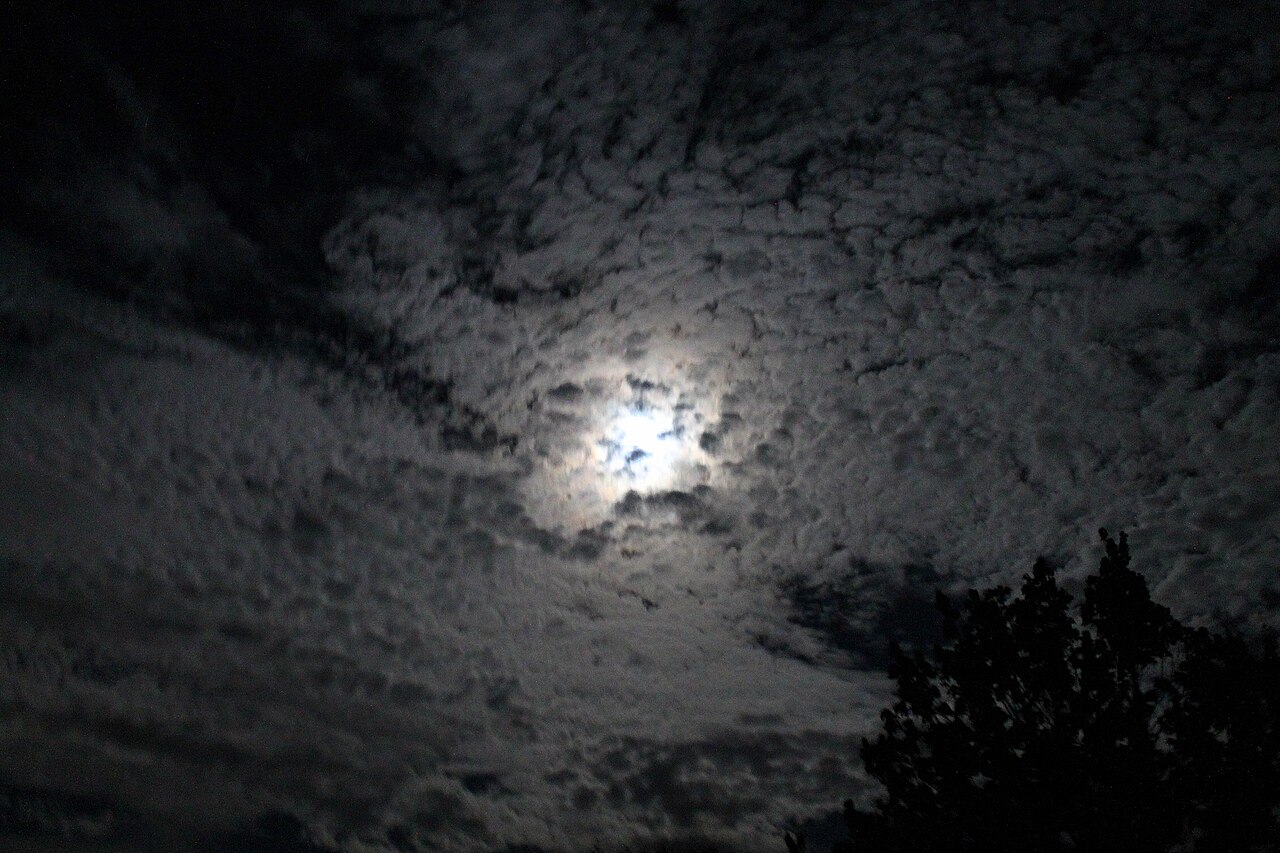
Few experiences are as frightening, or as widely misunderstood, as sleep paralysis and night terrors. People who undergo sleep paralysis may wake unable to move, sometimes with a vivid and terrifying sense of a presence in the room, while night terrors can jolt sleepers into states of intense fear. For centuries, such experiences were interpreted through the beliefs of the time, often taking on supernatural significance. Today, however, science understands these phenomena as real, well-documented features of how the sleeping brain works, offering explanations that are both reassuring and genuinely fascinating.
Understanding the science of sleep paralysis and night terrors helps separate frightening experience from supernatural interpretation, because these phenomena are entirely real as experiences yet fully explicable in terms of normal brain and sleep processes. In this article we examine sleep paralysis and night terrors from an evidence-based perspective: what they are, why they produce such vivid and disturbing sensations, how they relate to the stages of sleep, why they have so often been linked to the paranormal, and how understanding them can help those who experience them approach them with less fear and more clarity.
What sleep paralysis is
Sleep paralysis is a temporary inability to move or speak that occurs when a person is falling asleep or waking up. During certain stages of sleep, the body is naturally immobilised, a state that prevents us from acting out our dreams. In sleep paralysis, a person becomes conscious while this natural immobilisation is still in effect, resulting in the disconcerting experience of being awake and aware but unable to move. The episode typically lasts only a short time before normal movement returns.
What makes sleep paralysis so frightening is that it is often accompanied by vivid sensory experiences, including the strong sense of a presence in the room, pressure on the chest, or frightening images and sounds. These experiences, sometimes called hypnagogic or hypnopompic hallucinations, occur because the boundary between waking and dreaming is briefly blurred. The dreaming brain’s imagery intrudes into waking consciousness, producing sensations that feel entirely real to the person experiencing them.
It is important to emphasise that sleep paralysis is a real and common phenomenon, experienced by many people at some point in their lives, and that it is not dangerous. Despite how terrifying it can feel, an episode passes on its own and causes no physical harm. Understanding that the experience, however vivid and frightening, is a normal feature of how the sleeping brain works is the first step toward approaching it with less fear and a clearer perspective.
What night terrors are
Night terrors are a distinct sleep phenomenon in which a person, most often a child but sometimes an adult, experiences a sudden episode of intense fear during sleep. Unlike ordinary nightmares, night terrors typically occur during deep sleep rather than dreaming sleep, and the person may appear awake, with signs of fear, yet remain largely unaware of their surroundings and unable to be fully roused. Afterwards, they often have little or no memory of the episode.
Night terrors differ from nightmares in several important ways. Nightmares are frightening dreams that occur during dreaming sleep and are usually remembered on waking, whereas night terrors arise from deep sleep and are typically not recalled. During a night terror, the person is caught in a state that is neither fully asleep nor fully awake, which is why they may seem distressed and responsive yet cannot be easily comforted or awakened in the usual way.
Like sleep paralysis, night terrors are a real and recognised phenomenon with a basis in the way sleep is structured. They are particularly common in childhood and are generally not a cause for serious concern, tending to diminish with age. Understanding what night terrors are, and how they differ from ordinary nightmares, helps caregivers and those who experience them respond calmly and appropriately, without alarm or misinterpretation.
The sleep cycle and these phenomena
Both sleep paralysis and night terrors are closely tied to the structure of the sleep cycle, which moves through distinct stages during the night. These stages include periods of deep sleep and periods of dreaming sleep, each associated with different patterns of brain activity and bodily states. Understanding this structure is key to understanding how these phenomena arise, since each is linked to a particular stage or to the transitions between them.
Sleep paralysis is associated with the natural immobilisation that accompanies dreaming sleep, occurring when consciousness returns while that immobilisation persists. Night terrors, by contrast, arise from deep sleep, typically earlier in the night, when a partial arousal produces intense fear without full wakefulness. In both cases, the phenomena reflect the brain being caught between states, with elements of one stage intruding into another in ways that produce vivid and disturbing experiences.
This grounding in the normal architecture of sleep is what allows science to explain these phenomena without any appeal to the supernatural. Far from being mysterious intrusions from outside, sleep paralysis and night terrors are consequences of how the sleeping brain is organised and of the transitions between its stages. Recognising this provides a coherent, evidence-based framework for understanding experiences that can otherwise seem inexplicable and frightening.
| Aspect | Common belief | Reality |
|---|---|---|
| Sleep paralysis | A supernatural attack | Temporary immobility as consciousness meets sleep |
| Sense of a presence | A real entity | A hallucination as dreaming intrudes on waking |
| Night terrors | The same as nightmares | Arise from deep sleep, usually not remembered |
| Intense fear | Proof of danger | Normal brain mechanisms in unusual circumstances |
| These experiences | Rare and dangerous | Common, benign and generally harmless |
Why they feel so real and frightening
One of the most striking features of sleep paralysis and night terrors is how intensely real and frightening they feel. In sleep paralysis, the sense of a threatening presence, the inability to move and the vivid hallucinations combine to produce an experience of genuine terror. This intensity is not a sign that something supernatural is occurring; it reflects the powerful way the brain generates sensory experience, especially when the normal boundaries between sleeping and waking are blurred.
The fear these experiences produce also has a physiological basis. During sleep paralysis, the brain’s threat-detection systems may be active while the body is immobilised, creating a powerful sense of danger with no way to respond. During night terrors, deep-sleep arousal can trigger intense fear responses directly. In both cases, the emotional intensity is a product of normal brain mechanisms operating in unusual circumstances, which is precisely why the experiences feel so overwhelming.
Understanding why these phenomena feel so real and frightening is valuable both scientifically and personally. It explains why such experiences have so often been interpreted as encounters with supernatural beings, and it reassures those who undergo them that the terror, however genuine, does not reflect a real external threat. The vividness of the experience is a testament to the power of the brain, not evidence of anything beyond the natural world.
Sleep phenomena and the paranormal
Throughout history and across cultures, sleep paralysis in particular has frequently been interpreted through the lens of the supernatural. The experience of waking unable to move, with a vivid sense of a menacing presence, has been described in many traditions using the imagery and beliefs of the time. These interpretations are understandable, given how real and frightening the experience feels, and they form a rich part of cultural history.
From a scientific perspective, these supernatural interpretations reflect attempts to make sense of a genuine but poorly understood experience. The consistent features of sleep paralysis across cultures, the immobility, the sense of presence, the pressure, correspond to what we now understand as the normal characteristics of the phenomenon. Recognising this does not dismiss the experiences of those who have undergone them; rather, it explains why such similar accounts arise independently in so many different settings.
Understanding the natural basis of these phenomena is important both for accuracy and for reassurance. It allows us to appreciate the cultural richness of the many interpretations that have arisen, while grounding our understanding in the science of sleep. For those who experience sleep paralysis or night terrors, knowing that these are recognised, natural phenomena, rather than supernatural encounters, can transform a terrifying and mystifying experience into one that is understood and far less frightening.
How common these experiences are
One of the most reassuring facts about sleep paralysis and night terrors is that they are far more common than many people realise. A substantial proportion of people experience sleep paralysis at least once in their lives, and night terrors are especially common in childhood. Because these experiences can be frightening and are not always openly discussed, individuals who undergo them may feel isolated, unaware that many others have had similar experiences. Recognising how widespread they are can itself provide considerable comfort.
Various factors are associated with a greater likelihood of experiencing these phenomena. Irregular sleep patterns, sleep deprivation, high levels of stress and certain sleep positions have all been linked to a higher chance of sleep paralysis in particular. This does not mean these factors cause the experiences in any simple way, but understanding the associations can help people recognise circumstances in which episodes may be more likely and take steps that support better sleep.
Understanding the commonness of these experiences helps place them in perspective. Far from being rare or abnormal, sleep paralysis and night terrors are ordinary variations in the way sleep can unfold, experienced by many people across all backgrounds. This knowledge, combined with an understanding of their natural basis, can transform how these experiences are perceived, turning something that may feel uniquely frightening into a shared and understood aspect of human sleep.
Coping and when to seek help
For most people, sleep paralysis and night terrors are occasional and harmless, and simply understanding what they are can greatly reduce the fear they provoke. Recognising an episode of sleep paralysis for what it is, a temporary and benign state that will pass, can help a person remain calm until normal movement returns. Good sleep habits, such as maintaining a regular sleep schedule and managing stress, are generally associated with better sleep and may reduce the likelihood of such episodes.
For night terrors, particularly in children, a calm and reassuring approach is usually the best response. Since the person is not fully aware and typically will not remember the episode, the priority is to ensure safety and to avoid trying to forcefully wake them, allowing the episode to pass. In most cases, night terrors diminish naturally over time and are not a cause for serious concern.
That said, if sleep paralysis or night terrors are frequent, distressing or significantly disrupting sleep and daily life, it is sensible to seek advice from a healthcare professional. A professional can provide proper assessment, rule out any underlying issues and offer appropriate guidance. This article is intended for general understanding and does not replace individual medical advice, which should always be sought when these experiences cause significant concern.
Understanding the sleeping brain
Sleep paralysis and night terrors are vivid reminders of how complex and remarkable the sleeping brain is. Far from being supernatural, these experiences arise from the normal architecture of sleep and from the transitions between its stages, producing sensations so intense that they have been interpreted as encounters with other realms. Understanding their basis in neuroscience turns frightening mysteries into comprehensible, if dramatic, features of how we sleep.
Approaching these phenomena with an evidence-based mindset offers both accuracy and reassurance. It explains why such experiences feel so real and why they have so often been linked to the paranormal, while making clear that they represent no external threat. For those who experience them, this understanding can be genuinely liberating, replacing fear and mystification with knowledge and a sense of control.
In the end, the science of sleep paralysis and night terrors deepens our appreciation of the sleeping brain rather than diminishing the drama of these experiences. It reveals the extraordinary power of the mind to generate vivid sensations, grounds that power firmly in the natural world, and reminds us that some of the most frightening experiences we can have are, at heart, ordinary features of the fascinating and still not fully understood process of sleep.
Frequently asked questions
What is sleep paralysis?
It is a temporary inability to move or speak when falling asleep or waking up, occurring when a person becomes conscious while the natural immobilisation of dreaming sleep is still in effect. It is common, benign and passes on its own.
Why do people sense a presence during it?
Because the boundary between waking and dreaming is briefly blurred, allowing dream imagery to intrude into waking consciousness. This produces vivid hallucinations, such as the sense of a presence, that feel entirely real but are generated by the brain.
How are night terrors different from nightmares?
Night terrors arise from deep sleep, usually early in the night, and are typically not remembered, whereas nightmares are frightening dreams that occur during dreaming sleep and are usually recalled on waking.
Are these experiences dangerous?
For most people they are harmless. Sleep paralysis passes on its own and causes no physical harm, and night terrors, common in childhood, usually diminish with age. They are not, in themselves, a sign of serious illness.
Why have they been linked to the supernatural?
Because the experiences, especially the immobility and sense of a menacing presence in sleep paralysis, are vivid and frightening, and have been interpreted through the beliefs of different cultures. Their consistent features correspond to the normal characteristics of the phenomenon.
When should someone seek help?
If sleep paralysis or night terrors are frequent, distressing or significantly disrupting sleep and daily life, it is sensible to consult a healthcare professional. This article offers general understanding and does not replace individual medical advice.
Conclusion
Sleep paralysis and night terrors are vivid reminders of how complex the sleeping brain is. Far from supernatural, these experiences arise from the normal architecture of sleep and the transitions between its stages, producing sensations so intense that they have been interpreted as encounters with other realms. Understanding their basis in neuroscience turns frightening mysteries into comprehensible features of how we sleep.
Approaching these phenomena with an evidence-based mindset offers both accuracy and reassurance. It explains why they feel so real and why they have so often been linked to the paranormal, while making clear that they represent no external threat. For those who experience them, this understanding can be genuinely liberating.
In the end, the science of sleep paralysis and night terrors deepens our appreciation of the sleeping brain. It reveals the extraordinary power of the mind to generate vivid sensations, grounds that power in the natural world, and reminds us that some of the most frightening experiences we can have are, at heart, ordinary features of the fascinating process of sleep.
Votre analyse